
What to Know Before Choosing A Weight Loss Tool in Brisbane
With several medical, non-surgical and surgical tools now available for weight loss, it can be confusing to know which option is right for you.
This guide explains the different treatments available in Brisbane — including medical therapies, gastric balloons and bariatric surgery — and what to consider before deciding on the next step.
Dr Aaron Lim is a General and Bariatric Surgeon in Brisbane who offers a range of evidence-based weight loss options. Every patient is at a different stage of their journey, and the goal is to help you choose the right tool at the right time.
You can learn more about his background and qualifications on the Dr Aaron Lim website.
Considering Weight Loss Surgery in Brisbane
More Australians are exploring weight loss surgery as a long-term strategy for managing obesity and its associated health risks. Unlike short-term diets, bariatric surgery produces physiological changes that influence appetite, satiety and metabolic health — often described as a metabolic reset. It remains the most effective and durable treatment for significant, sustained weight loss.
At Dr Aaron Lim’s Brisbane practice, care is personalised and multidisciplinary. Treatment decisions are based on each patient’s health profile, goals and long-term wellbeing.
Weight loss surgery is not a quick fix. Successful outcomes require commitment to lifestyle change, structured follow-up and ongoing professional support.
When carefully planned and appropriately supported, surgery may also help improve weight-related comorbidities such as Type 2 diabetes, hypertension, obstructive sleep apnoea and fatty liver disease.
Surgical Weight Loss Options
Dr Aaron Lim offers several established bariatric procedures tailored to individual needs.
Gastric Sleeve Surgery
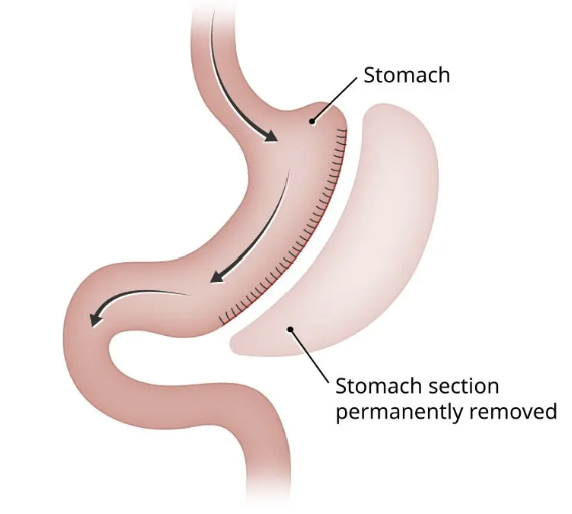
Gastric sleeve surgery, also known as sleeve gastrectomy, is one of the most commonly performed weight loss procedures worldwide.
During the procedure, approximately 75–85% of the stomach is removed, leaving a narrow tube-shaped stomach (the “sleeve”). This reduces the amount of food the stomach can hold and also lowers levels of ghrelin, the hormone responsible for stimulating hunger.
As a result, many patients experience reduced appetite, earlier fullness and improved portion control.
The procedure is performed laparoscopically (keyhole surgery) using minimally invasive techniques. This typically involves several small incisions and is generally associated with less post-operative discomfort and a faster recovery compared with traditional open surgery.
One Anastomosis Gastric Bypass (Mini Bypass)
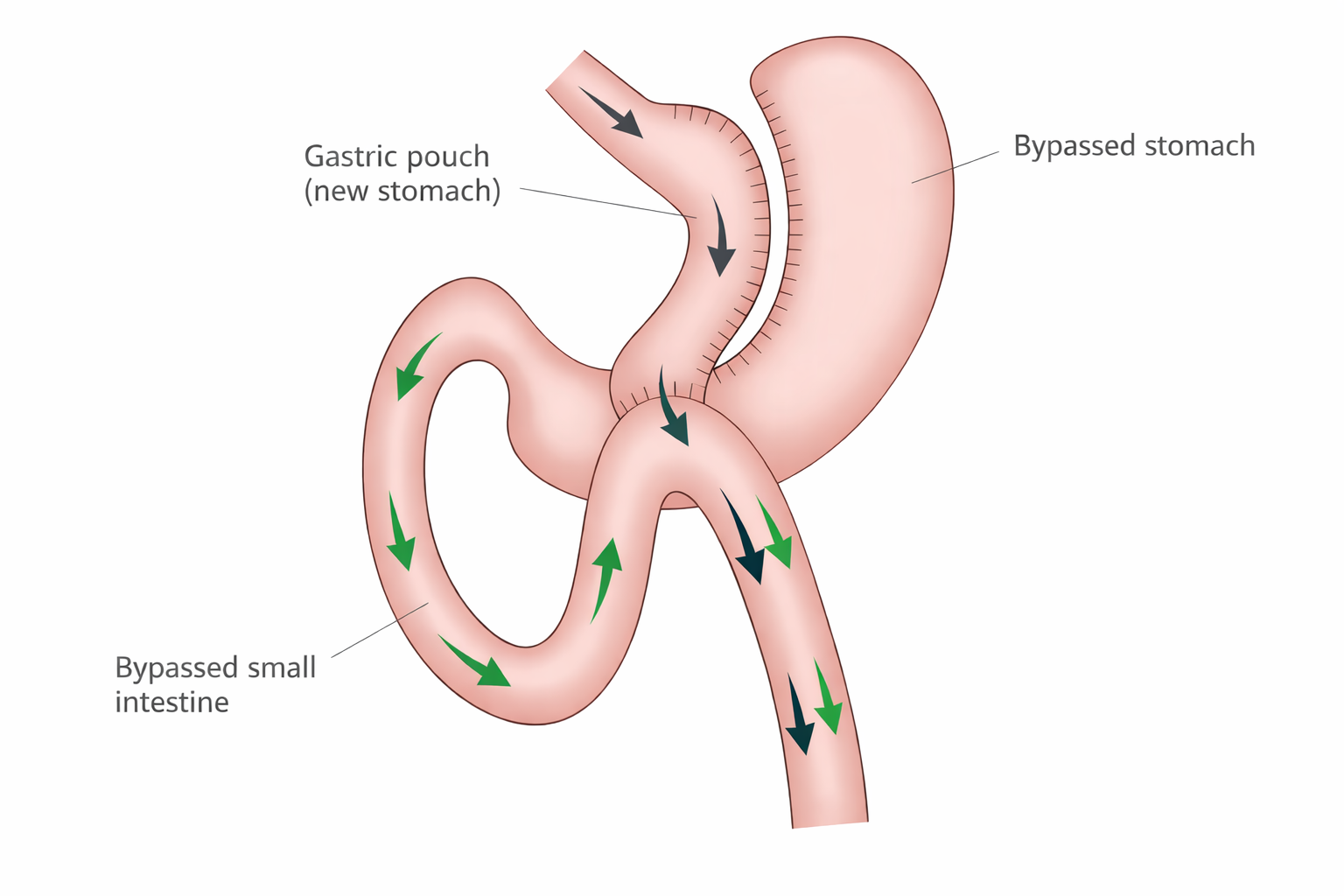
The one anastomosis gastric bypass (OAGB), sometimes referred to as a mini gastric bypass, is a weight loss procedure that both reduces stomach size and re-routes part of the small intestine.
This approach combines restriction (smaller stomach capacity) with metabolic effects, which can help improve insulin sensitivity and blood sugar regulation.
Because of these metabolic benefits, this procedure may be particularly suitable for patients with conditions such as Type 2 diabetes or those with a higher body mass index (BMI), for example greater than 45.
Roux-en-Y Gastric Bypass
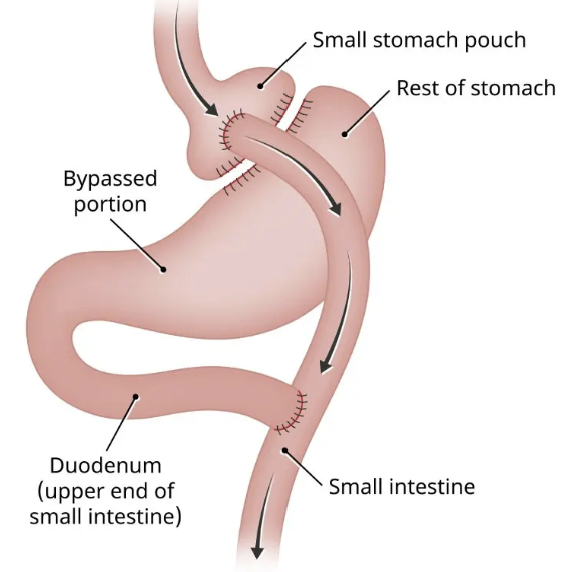
The Roux-en-Y gastric bypass is a well-established bariatric procedure that creates a small stomach pouch and re-routes part of the small intestine.
This approach works through a combination of reduced food intake and metabolic effects, which can influence appetite, satiety and nutrient absorption. It has been performed for several decades and has strong long-term evidence supporting its effectiveness for sustained weight loss and metabolic improvement.
This procedure may be particularly suitable for patients with more complex metabolic conditions, significant gastro-oesophageal reflux, or those who may benefit from a procedure with both restrictive and metabolic effects.
Revision Surgery
For patients who have previously undergone bariatric surgery and experienced inadequate weight loss, weight regain, or complications, revision surgery may be considered after a thorough evaluation.
Revision procedures are more complex and require careful assessment of the original operation, current anatomy, medical history and weight loss goals. The aim is to identify the underlying cause of the issue and determine whether a further procedure may help improve long-term outcomes.
Not all patients require revision surgery, and in some cases non-surgical approaches such as medical therapy or nutritional optimisation may be appropriate. A personalised assessment is therefore essential before deciding on the most suitable pathway.
Non-Surgical Weight Loss Options
Surgery is not the only option. Dr Aaron Lim also offers medical and non-surgical weight loss treatments, including prescription medications and gastric balloon therapy.
Medical therapy may include medications such as Ozempic and Mounjaro, which can help regulate appetite, improve satiety and support metabolic health when combined with lifestyle changes.
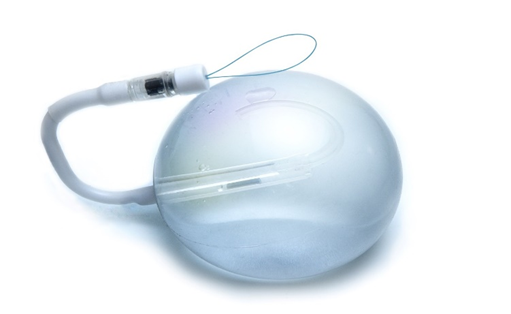

Dr Lim also offers several gastric balloon systems approved for use in Australia, including Allurion, SPATZ3 and Orbera. Depending on the device, these balloons are either placed endoscopically or swallowed in capsule form. Once in the stomach, they help promote earlier fullness and support portion control.
All medical and balloon programs are delivered within a multidisciplinary framework, with support from dietitians and allied health professionals to help patients achieve sustainable long-term outcomes.
You can learn more about these treatment options in the Weight Loss Surgery section of Dr Aaron Lim’s website.
Eligibility Criteria for Weight Loss Surgery
Eligibility for weight loss surgery in Brisbane generally follows current international guidance, including recommendations from the International Federation for the Surgery of Obesity and Metabolic Disorders.
Surgery may be considered for:
Individuals with a BMI greater than 35, regardless of associated medical conditions
Individuals with a BMI greater than 30 who also have weight-related comorbidities, such as Type 2 diabetes, hypertension, obstructive sleep apnoea or fatty liver disease
For some ethnic groups, BMI thresholds may be lower, as metabolic risks can occur at lower BMI levels.
Final eligibility is confirmed during a comprehensive consultation, which considers factors such as medical history, previous weight-loss attempts, psychological readiness and overall health status.
What to Expect During Consultation
A consultation with Dr Aaron Lim is designed to provide a comprehensive assessment and help determine the most appropriate weight loss strategy for your individual situation.
During the consultation, this may include:
Review of your BMI, medical history and current health status
Discussion of weight-related comorbidities and metabolic health
Assessment of previous weight loss attempts
Evaluation of lifestyle factors and support systems
Explanation of the medical, non-surgical and surgical tools available for weight loss
Discussion of potential risks, benefits and expected outcomes
Introduction to your multidisciplinary care team, which may include a bariatric nurse, dietitian and psychological care support to help guide you through treatment and long-term lifestyle change
This structured assessment helps ensure that any treatment decision is safe, appropriate and aligned with your long-term health goals.
Appointments can be arranged via the Dr Aaron Lim contact page.
Aftercare and Long-Term Support
Long-term success after weight loss surgery depends on structured follow-up and ongoing support.
Following surgery, patients receive continued care from a dedicated care team that may include the surgeon, bariatric nurse, dietitian and psychological care support.
Regular surgical reviews to monitor progress and recovery
Nutritional guidance to support healthy eating patterns
Ongoing guidance from a bariatric nurse and dietitian to help manage recovery, nutrition and lifestyle adjustments
Access to psychological care where appropriate to support emotional wellbeing and behavioural change
Monitoring of key health markers, including weight, metabolic health and nutritional status
Ongoing engagement with the care team helps support sustained weight management and improvements in metabolic health over time.
Frequently Asked Questions
-
A bariatric consultation helps you understand all available options, including medical therapy, gastric balloons and surgery, so the most suitable treatment can be chosen for your health and goals.
-
Medical therapy or gastric balloons may be considered for people with a BMI of 27 or higher. Bariatric surgery is generally considered for individuals with a BMI above 35, or above 30 with weight-related comorbidities. A consultation is required to determine suitability.
-
Gastric sleeve surgery is one of the most commonly performed bariatric procedures worldwide and has a well-established safety profile when performed by an experienced surgeon.
-
Most patients stay in the hospital for one night and return to normal activities within 2–4 weeks, although some restrictions may remain for up to 4 weeks.
-
Yes. Long-term follow-up with the care team, including the surgeon, nurse, dietitian and psychological support, helps maintain weight loss and overall health.