

Obesity is a serious and growing health concern in Australia. For many Brisbane residents, attempts to lose weight through diet, exercise and medications alone can be challenging and discouraging. Obesity surgery in Brisbane, also known as bariatric surgery, offers a medically supervised, long-term treatment option for eligible individuals seeking to improve their health and quality of life.
Dr Aaron Lim, General and Bariatric Surgeon in Brisbane, provides comprehensive obesity surgery services tailored to each patient’s medical profile and goals. This article explains the available options, potential benefits and what patients can expect throughout their care journey.
You can learn more about Dr Lim’s qualifications and philosophy of care on the about page.
What Is Obesity Surgery?
Obesity or bariatric surgery involves procedures designed to support weight loss by restricting food intake, altering appetite hormones, changing nutrient absorption or combining these mechanisms.
According to current international guidelines from the International Federation for the Surgery of Obesity and Metabolic Disorders (IFSO), surgery may be considered for:
- Individuals with a BMI greater than 35, regardless of co-morbidities
- Individuals with a BMI greater than 30 who have obesity-related conditions such as Type 2 diabetes, hypertension, obstructive sleep apnoea or fatty liver disease
BMI thresholds may be lower for certain ethnic groups because of higher metabolic risk at lower BMI levels.
Surgery is generally considered when previous non-surgical approaches have not achieved sustained results, and obesity is significantly impacting health or quality of life.
Surgical and Non-Surgical Obesity Surgery Options in Brisbane
Dr Aaron Lim offers a comprehensive range of surgical and non-surgical weight management options.
You can explore these under the Weight Loss Surgery section of this website.
Gastric Sleeve Surgery
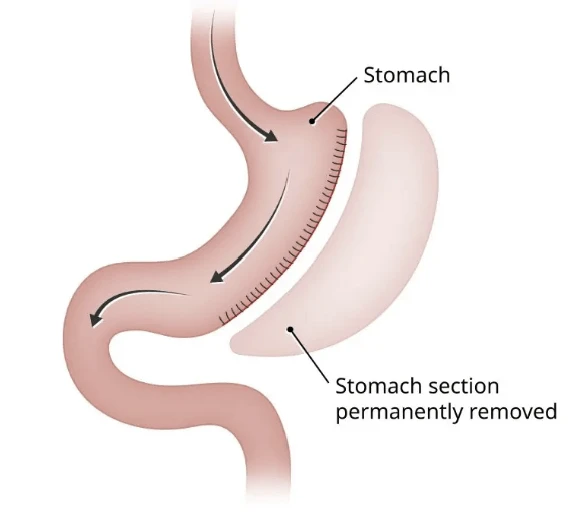
Gastric sleeve, also known as sleeve gastrectomy, is one of the most commonly performed procedures in Australia.
Approximately 75-85% of the stomach is removed, leaving a narrow tube-shaped stomach (“the sleeve”). This reduces food capacity and lowers levels of the hunger hormone ghrelin.
Potential benefits include:
- Weight loss (results vary between patients)
- Reduced appetite
- Possible improvement in blood pressure, blood sugar and cholesterol
- A simpler anatomical structure compared to bypass
This option may suit patients seeking weight loss without intestinal bypass.
Gastric Bypass Surgery
Gastric bypass combines restriction and altered absorption.
Two main types include:
- Roux-en-Y gastric bypass
- One anastomosis gastric bypass (OAGB, or mini gastric bypass)
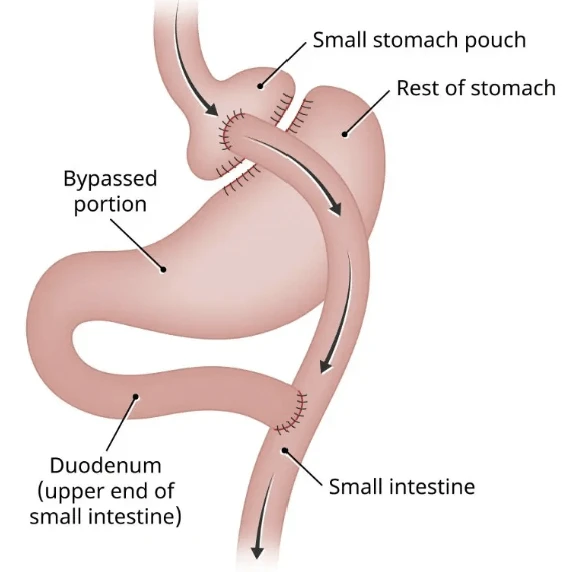
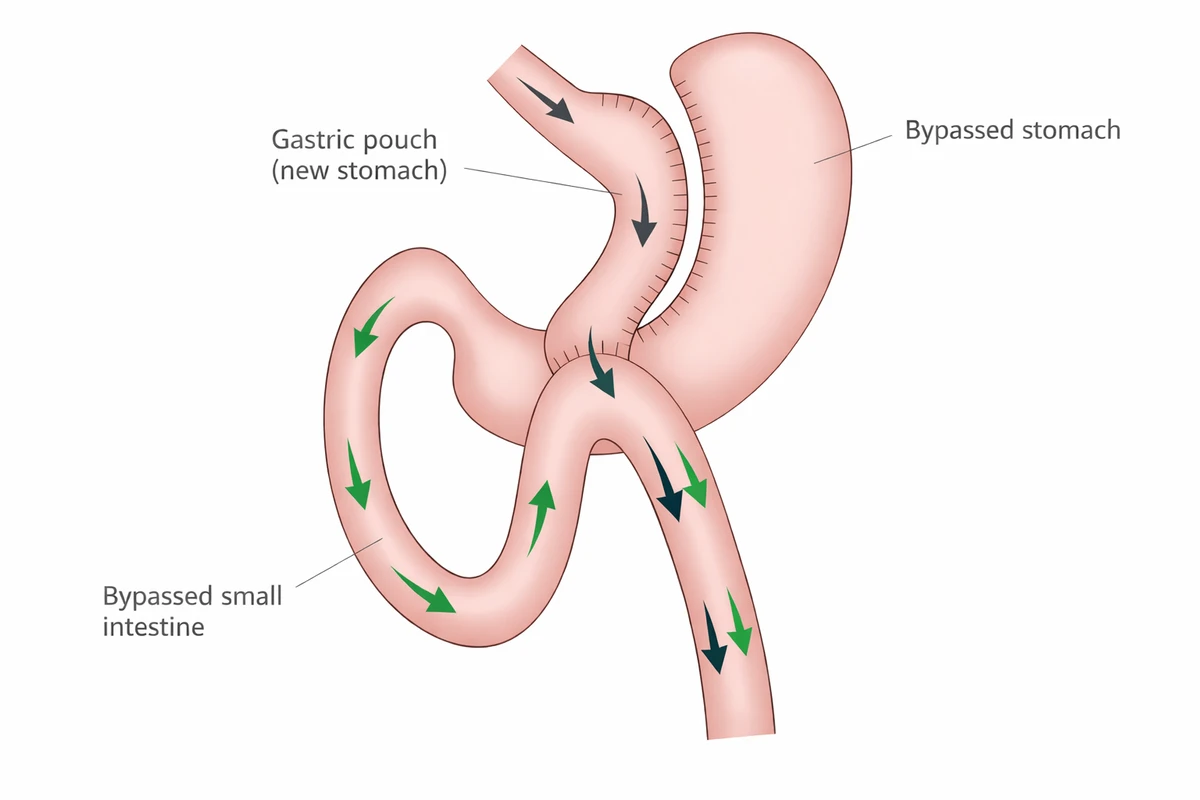
Both involve creating a small stomach pouch and connecting it to the small intestine. Mini gastric bypass uses a single join and may not be suitable for patients with significant gastro-oesophageal reflux disease (GORD).
These procedures may be particularly suitable for patients with:
- Type 2 diabetes
- Significant GORD (Roux-en-Y)
- Higher BMI levels
- Multiple obesity-related health risks
Results vary between patients and are discussed at consultation.
Gastric Balloon Procedures
Not all patients are ready for surgery. Dr Aaron Lim also provides gastric balloon treatments, which are temporary devices placed in the stomach to promote satiety and portion control.
Options include:
- The Allurion balloon, which is swallowed in capsule form
- Orbera balloon, placed endoscopically
- SPATZ3 endoscopic balloon, which is adjustable and can remain for up to 12 months
Benefits may include:
- No permanent anatomical changes
- Shorter recovery
- A bridge to surgery or a standalone weight management strategy
Revision Bariatric Surgery
Some patients require revision surgery if a previous bariatric procedure has not delivered expected outcomes or complications have developed.
Revision procedures may include:
- Removal of the gastric band with conversion to sleeve or bypass
- Revision of prior sleeve surgery to bypass
These cases require detailed assessment and careful planning.
Benefits of Obesity Surgery Beyond Weight Loss
Obesity surgery in Brisbane is not solely about weight reduction. It may provide broader health improvements.
1. Weight Management
Weight loss varies depending on the procedure and ongoing lifestyle engagement. Dr Lim will discuss a realistic goal with you at your consultation.
2. Improved Metabolic Health
Patients with type 2 diabetes often experience improved blood sugar control, and some may be able to reduce their diabetes medication. Results vary between patients.
3. Cardiovascular Risk Reduction
Weight loss may contribute to improved blood pressure, cholesterol levels and overall heart health.
4. Reduced Joint Stress
Losing weight reduces pressure on the knees, hips and lower back, which may improve mobility.
5. Psychological Wellbeing
Patients may report improved confidence and mood as health and mobility improve.
6. Better Sleep
Weight reduction may improve symptoms of obstructive sleep apnoea in some people.
What to Expect: The Patient Care Journey
Choosing obesity surgery in Brisbane is a structured process.
Initial Consultation
During consultation, Dr Aaron Lim will:
- Review your medical history.
- Assess BMI and metabolic health.
- Discuss weight loss goals.
- Explain available surgical and non-surgical options.
- Determine suitability based on current guidelines.
Appointments can be arranged via the contact page.
Pre-Surgery Preparation
Preparation may involve:
- Dietitian consultation
- Psychological assessment, where appropriate
- Pre-operative investigations
- Optimisation of existing medical conditions
The Procedure
Most surgeries are performed laparoscopically in accredited hospital settings. Hospital stay duration depends on the procedure and recovery but is usually 1 to 2 nights in hospital.
Post-Surgery Recovery
Recovery involves:
- Gradual diet progression from liquids to solids
- Regular surgical follow-up
- Nutritional supplementation when required
- Monitoring of weight and metabolic health
Long-Term Follow-Up
Long-term engagement is essential. Follow-up typically includes:
- Nutritional monitoring
- Blood tests
- Behavioural support
- Ongoing health assessments
Why Choose Dr Aaron Lim for Obesity Surgery Brisbane
Dr Aaron Lim is a FRACS-qualified General and Bariatric Surgeon practising in the Redcliffe, Brisbane and the Redlands region.
His approach includes:
- Patient-centred consultation
- Evidence-based surgical techniques
- Multidisciplinary collaboration
- Structured aftercare
Care extends beyond surgery to provide long-term support and monitoring.
Take the First Step
If you are considering obesity surgery in Brisbane and would like to explore your options, a personalised consultation is the next step.
You can request an appointment to discuss suitability and available procedures.